Insights
Practical perspectives from the people who plan and deliver construction. Explore Rochon’s experience, project lessons and ideas for making informed decisions about the work ahead.
Building Value from the Ground Up: How an Early Foundation Review Saved Construction Time
November 27, 2026
Paul Bloemendal, Senior Manager, Construction & Procurement
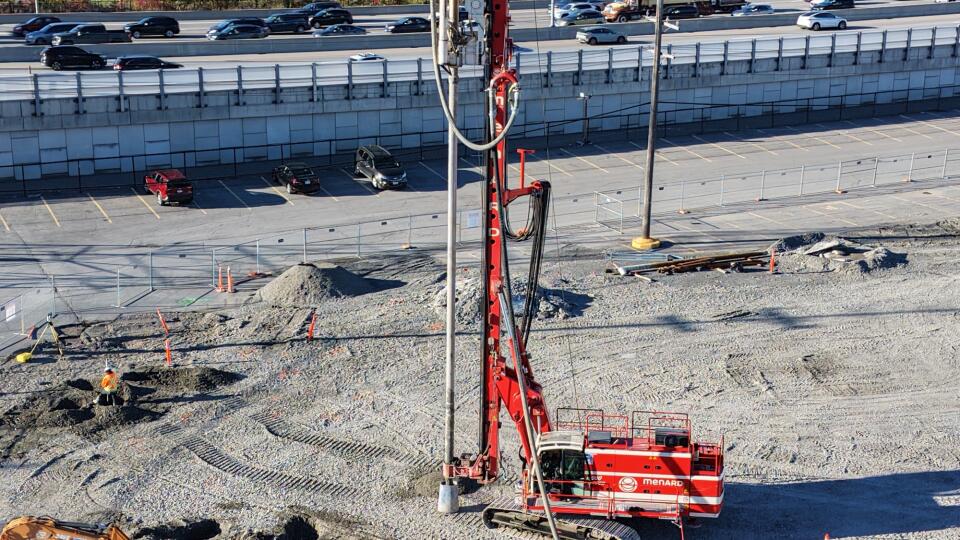
During preconstruction for a retail project in Ottawa, the project team identified the foundation package as an opportunity to simplify construction and protect the schedule. The design called for deep pipe piles or steel H-piles, with grade beams forming part of the foundation system. Questions about pile installation, bearing conditions, and trade sequencing could affect how long the foundation work would take. Reviewing those questions early gave the team time to assess an alternative before construction began.
Evaluating Shallow Footings with Ground Improvement
The team brought a local ground improvement specialist into the review alongside the structural and geotechnical consultants. The specialist provided input on installation, while the consultants assessed the site conditions and the building’s structural requirements. Together, they evaluated Controlled Modulus Columns, which reinforces soft ground so it can support shallow footings. The review considered whether this combination could replace the original deep pile and grade beam arrangement. Bringing installation and design expertise into the same discussion allowed the team to assess how the alternative would work in the field while the design was still open to change.
Finding Opportunities to Reduce Materials and Simplify Fieldwork
The review extended to the rest of the foundation package. Changing how the building loads were transferred to the ground could change the footing and grade beam requirements, along with the quantities of lightweight fill, reinforcing steel, formwork and concrete. The team examined where those quantities could be reduced and what that would mean for the order of work. For example, reducing formwork and reinforcing steel requirements could trim the preparation needed before concrete placement. Reviewing those connections early also helped clarify responsibilities at the points where ground improvement and foundation work met.
Building the Redesign into Preconstruction
The team built the redesign into the preconstruction schedule so the specialist and consultants had time to evaluate the alternative and address design and installation questions before field crews needed answers. This timing mattered because a foundation change made after work starts can force crews to pause while drawings are revised, responsibilities are clarified and activities are resequenced. By doing that coordination during preconstruction, the team kept the review from becoming a late interruption to foundation work.
Saving Time by Resolving Decisions Before Mobilization
The schedule benefit came from moving the redesign ahead of mobilization for foundation work and simplifying the work that would follow. The shallow footing approach reduced exposure to the installation and bearing uncertainties associated with the pile design. It also created opportunities to reduce the amount of material crews would need to handle and the number of steps they would need to coordinate before placing concrete. The project team could plan how the foundation work would proceed with a clearer understanding of the design, the installation sequence and the handoffs between trades. Addressing those details early saved time by reducing the number of decisions that had to be made in the field, when waiting for an answer could hold up the next crew. It gave the team a chance to resolve questions about ground conditions and installation while there was still time to adjust the design and construction sequence together.